
Toronto Home Water Guide: Plumbing Answers for Toronto Homes
This Toronto home water and plumbing guide explains hardness, tap water, lead pipes, flooding subsidies, frozen pipes and permits, using City of Toronto, Ontario and Health Canada sources.
By the Toronto Home Water Guide editors · Updated
This site is a homeowner information guide. It is not a plumbing company. About this guide
Key takeaways
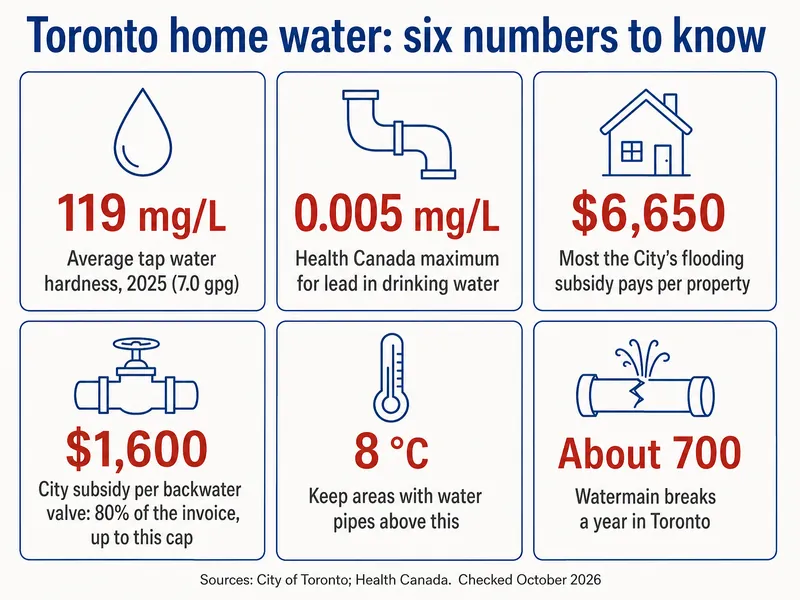
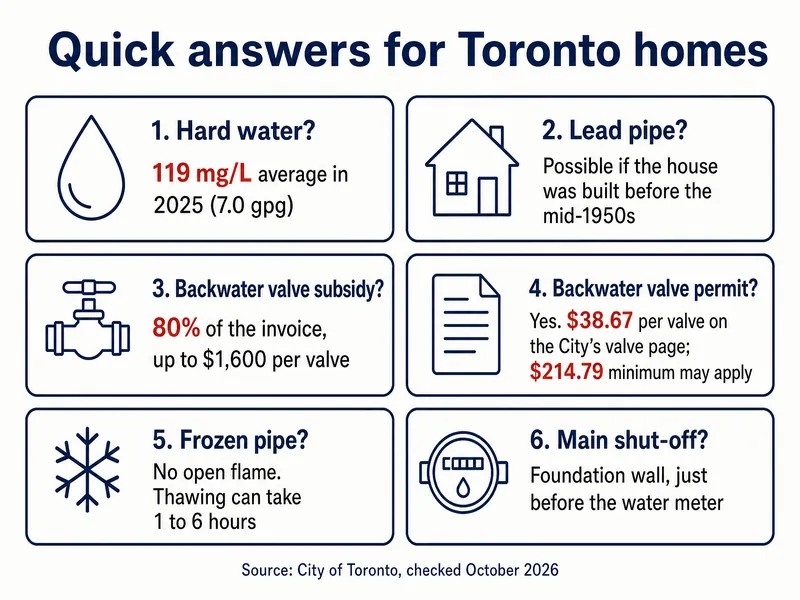
- Toronto's tap water averaged 119 mg/L hardness (7.0 gpg) in 2025, and the City says softening systems "are usually not needed" (Tap Water in Toronto).
- For lead, Health Canada's 2019 guideline sets 0.005 mg/L as the maximum acceptable concentration; Ontario's standard is 0.010 mg/L.
- Houses from before the mid-1950s can have a lead water service pipe, and the City offers free lead testing for them (Lead & Drinking Water).
- The Basement Flooding Protection Subsidy Program pays 80% of invoiced costs up to $6,650 per property for work done on or after November 12, 2025 (City of Toronto, modified June 18, 2026).
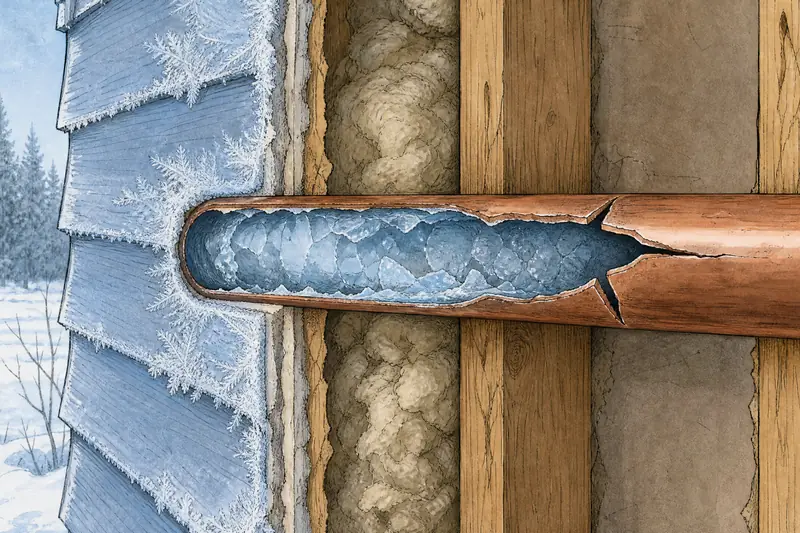
- In winter the City wants pipe spaces kept warmer than 8 °C, and thawing a private pipe falls to the owner.
- Toronto building permit fees start at a $214.79 minimum in 2026, and the backwater valve permit page lists $38.67 per valve, so ask Toronto Building which fee applies.
Toronto water in numbers
- 119 mg/LToronto's 2025 average hardness as calcium carbonateCity of Toronto, 2025 analysis summary
- $6,650Ceiling on the City's basement flooding subsidies for one property, for newer workCity of Toronto, BFPSP
- 0.005 mg/LHealth Canada's lead guideline value for drinking water (2019)Health Canada
- About 700Watermain breaks a year in Toronto, down from 1,500 to 1,800 a decade agoCity of Toronto, Water and Sewer Mains
Is Toronto tap water safe and hard?
Toronto tap water is safe to drink according to the City, and it is medium hard. The City's Tap Water in Toronto page (modified July 22, 2026) says "Toronto's tap water is safe to drink" and that it comes from Lake Ontario, treated at four water treatment plants.
The City's 2025 analysis summary gives the numbers behind that statement: hardness averaged 119 mg/L as calcium carbonate across 119 samples, with a range of 115 to 122 mg/L. On one scale Health Canada cites, 100 to 150 mg/L counts as medium hard. The same table lists the chloramine residual at an average of 1.6 mg/L and fluoride at 0.65 mg/L.
Start with these four guides:
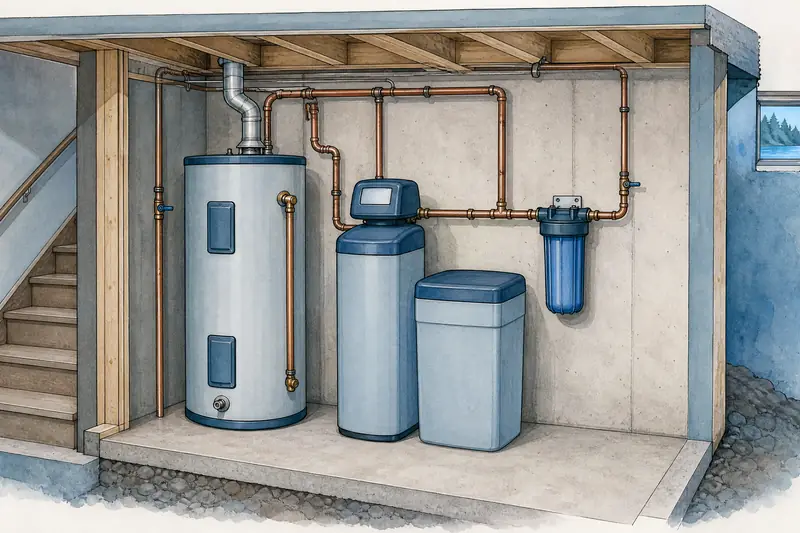
Do Toronto homes need a water softener?
Most Toronto homes do not need a water softener, according to the City; in its words, hardness is no concern "for most homeowners". Health Canada sets no health-based limit for hardness, so a softener or filter is a choice about scale, taste or a specific concern rather than a safety requirement.
If you are shopping, two facts matter more than any brochure. Ontario has banned door-to-door sales of water softeners, filters and water heaters since March 1, 2018, unless you start the contact, and in-home contracts carry a 10-day cooling-off period. For lead, Health Canada points buyers to filters certified to NSF/ANSI Standard 53 with a lead-reduction claim.
Does your Toronto home have lead pipes?
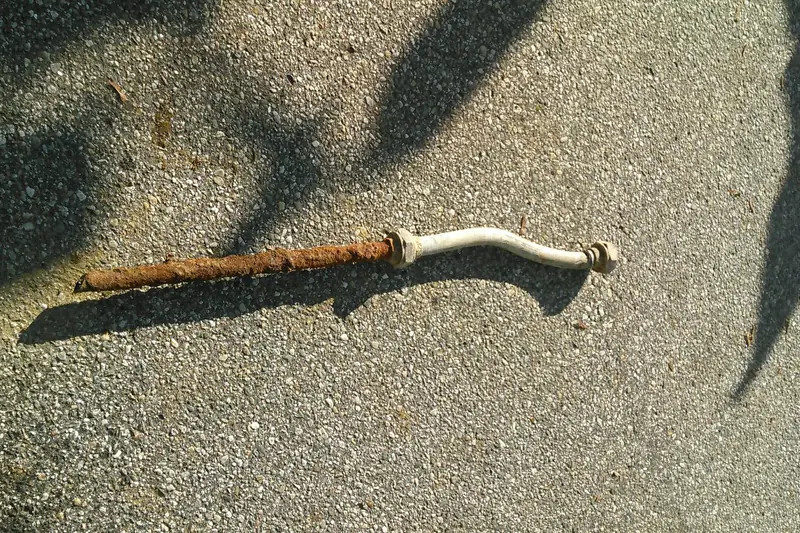
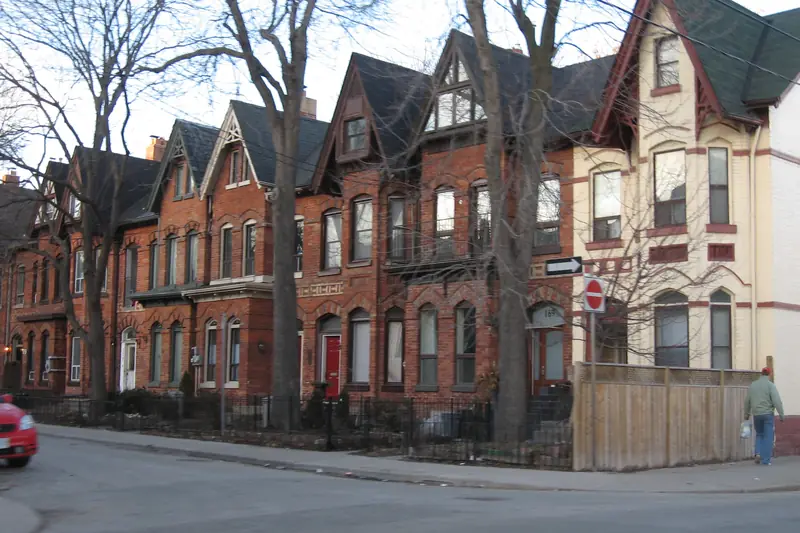
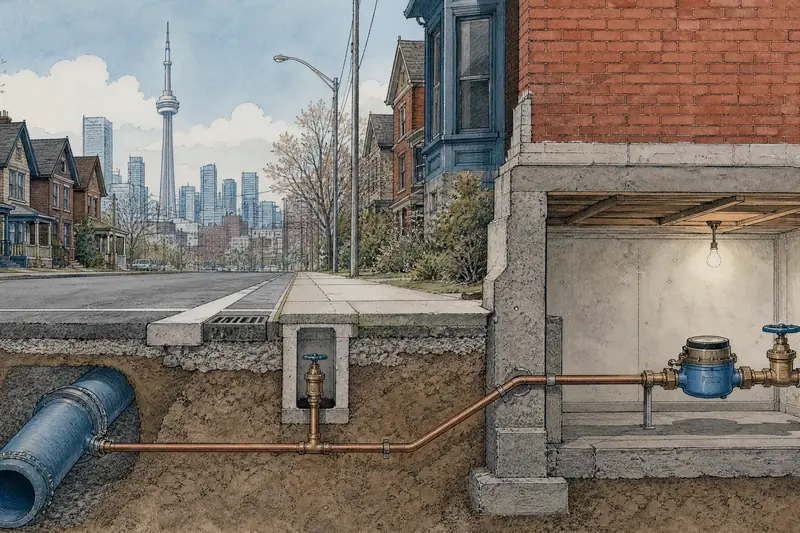
A Toronto house could have a lead water service pipe if it dates from before the mid-1950s, the City says, though buildings of more than six units never have one. A lead pipe is usually grey, scratches easily and does not sound hollow when tapped, but only a water test shows whether lead is in the water.
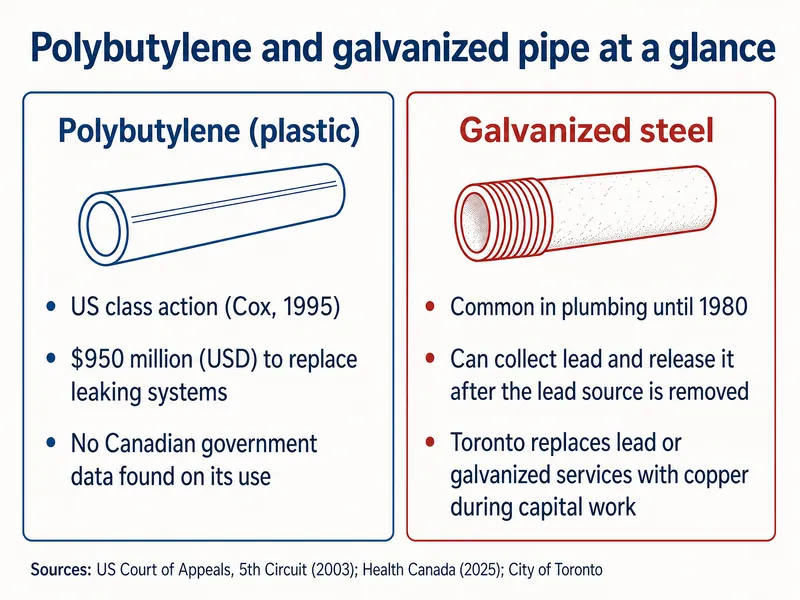
The City runs free lead testing for older homes, registered through 311, and a Priority Lead Water Service Replacement Program that replaces the City-owned part of the pipe when an owner commits to replacing the private side. The private side, from the property line into the house, is the owner's cost. Other older materials, such as Kitec, polybutylene and galvanized steel, raise different questions; the Kitec class-action settlement is closed.
How does the City help with basement flooding?
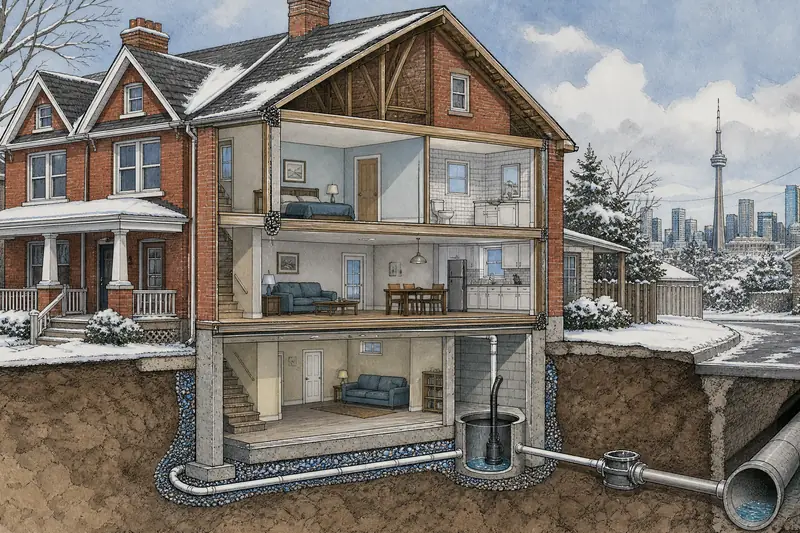
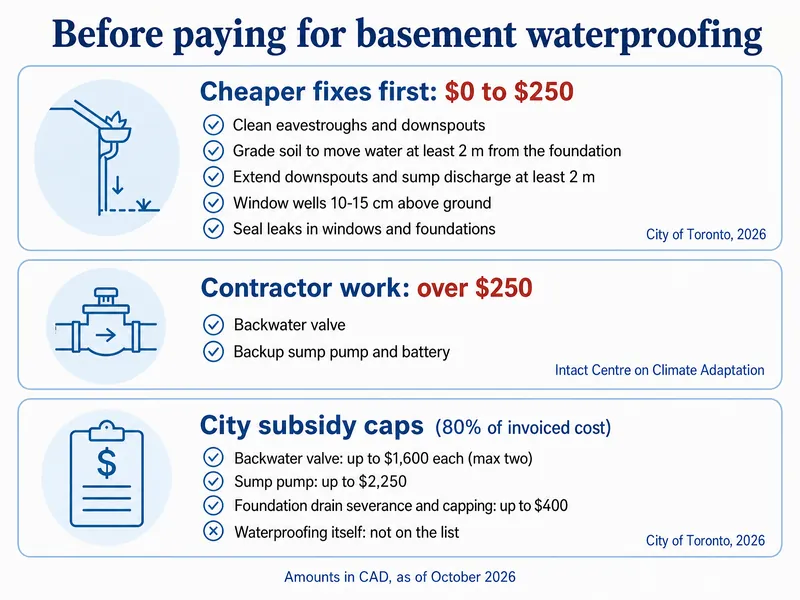
The City helps with basement flooding through the Basement Flooding Protection Subsidy Program, which covers four-fifths of what you were invoiced for approved protective plumbing, up to set caps. Since the City raised the amounts (for work finished from November 12, 2025, with applications taken from May 1, 2026), the caps are $1,600 per backwater valve (up to two), $2,250 for a sump pump, $300 for a battery backup, $400 for foundation drain severance and capping, and $500 for a home plumbing assessment.
Those caps replaced the older $1,250 backwater valve and $1,750 sump pump limits, so many pages online are out of date. The subsidy is a share of the bill, not a flat payment: on a $3,800 backwater valve job, the City's own average market cost, 80% is $3,040, so the $1,600 cap applies and the owner pays $2,200 before permit fees.
| What the City helps pay for | Current cap (80% of invoice) | Older cap |
|---|---|---|
| Plumbing assessment by a licensed plumber | $500 once | did not exist |
| Each backwater valve, two allowed | $1,600 | $1,250 for a single valve |
| One sump pump | $2,250 | $1,750 |
| Sump pump battery backup | $300 | did not exist |
| Capping the foundation drain connection | $400 | $400 |
| Property total | $6,650 | $3,400 |
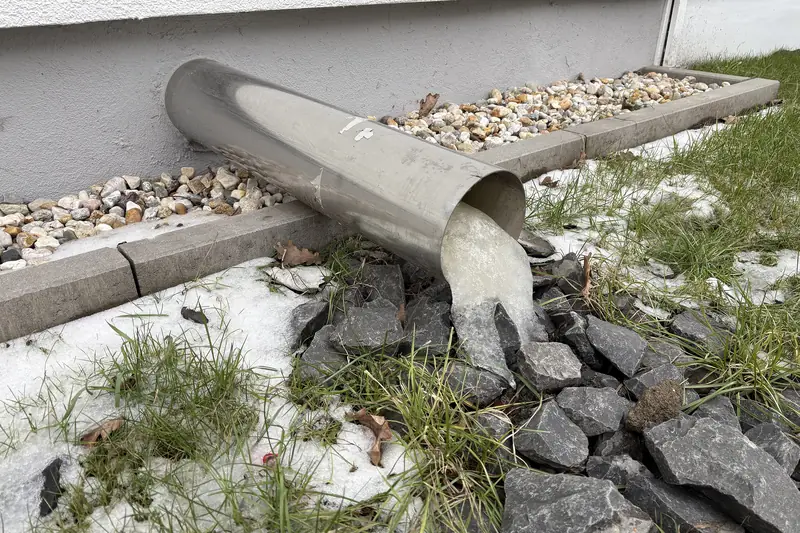
Downspout disconnection is mandatory across Toronto and is a condition of the subsidy. Insurance is a separate question. The Insurance Bureau of Canada says a standard home policy usually leaves out sewer backup unless you bought the optional add-on, so read your own wording.
 Basement floodingBasement Flooding Protection Subsidy Program
 Basement floodingBackwater valves
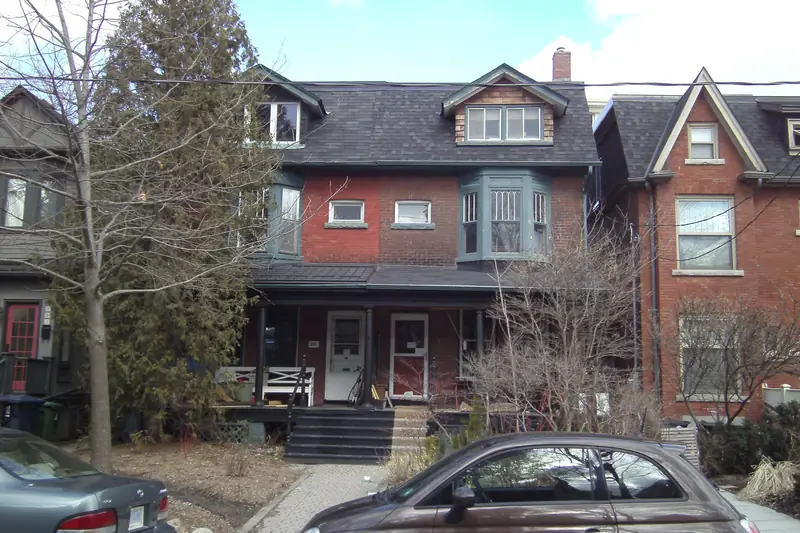 Basement floodingBackwater valve installation cost
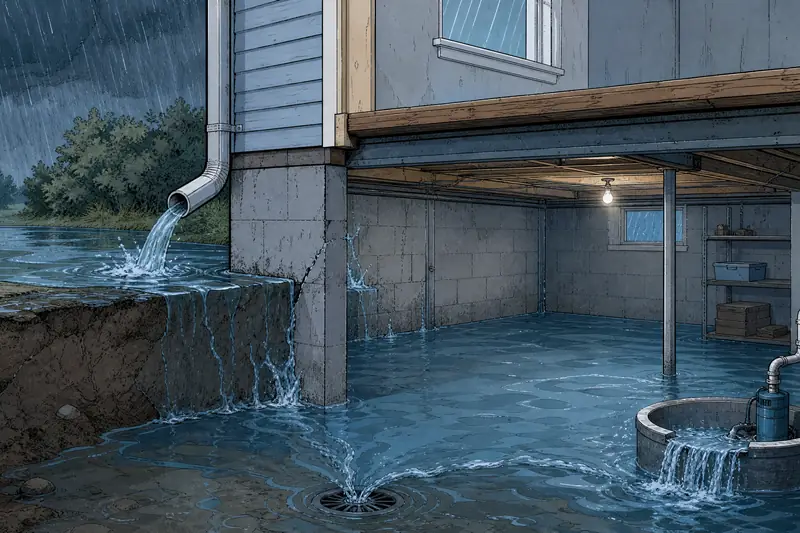 Basement floodingSump pump installation cost
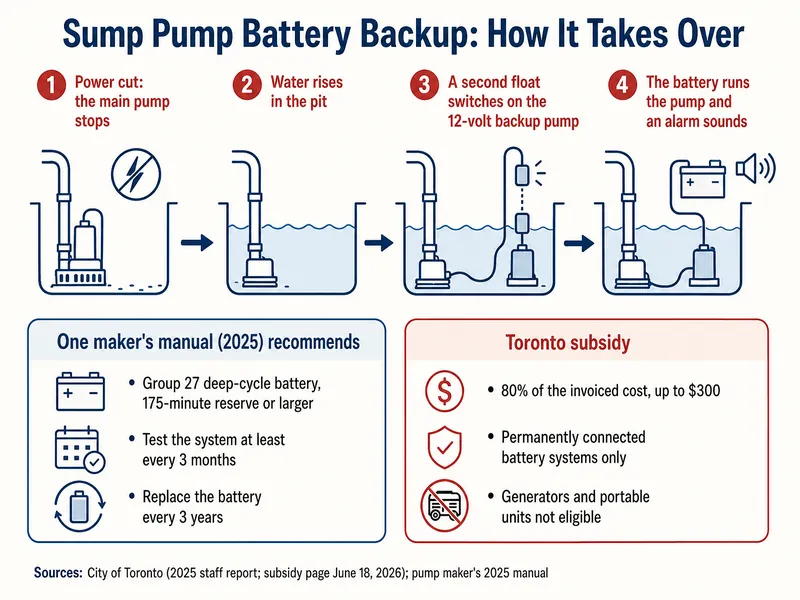 Basement floodingSump pump battery backup
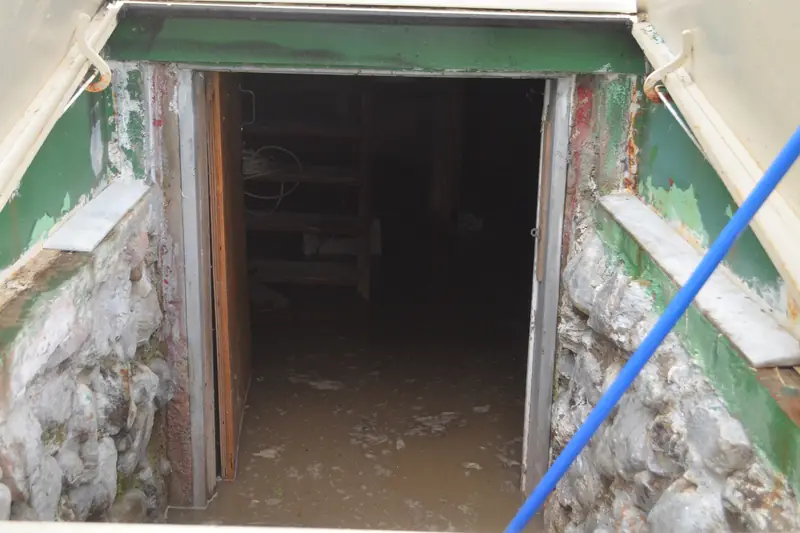 Basement floodingSewer backup insurance
 Basement floodingWeeping tile replacement cost
 Basement floodingBasement waterproofing cost
 Basement floodingDownspout disconnection rules
What should you do when pipes freeze?
When a pipe freezes, open the basement cold tap and warm the pipe gently with a hair dryer, heating pad or warm towels, never an open flame. The City's Prevent or Thaw Frozen Pipes page (modified October 19, 2026) warns thawing may run "one to six hours", that pipe areas should stay above 8 °C, and that below −15 °C at night you may run a pencil-thin stream from vulnerable taps, which is billed.
Thawing a private pipe is the owner's responsibility under the Municipal Code, and if a pipe bursts, the first job is closing the main shut-off valve. A street watermain break is the City's to fix: Toronto sees about 700 a year, and the City replaces roughly 30 to 40 km of watermains annually.
Is it better to rent or own a water heater?
Owning a water heater costs less over its whole life than renting, Natural Resources Canada says, but buying out an old rental tank is not always the better deal. Rental buyouts are set by each company's contract; Enercare's published 2026 table, for example, falls from $1,804 for a new CV40 tank to $100 after 15 years.
Ontario's door-to-door ban and 10-day cooling-off period cover water heaters too, and gas installation work must be done by a TSSA-registered contractor. For new equipment, NRCan says ENERGY STAR tankless heaters use about 30% less energy than storage tanks on average.
What do plumbing jobs cost in Toronto?
Plumbing job costs in Toronto vary with the home and the work, and no public body publishes a fair price list, so this guide shows the fixed costs you can check. Toronto Building's 2026 permit fees start at a $214.79 minimum; fixtures in a single-family home are $23.20 each within that minimum, and the backwater valve permit page lists $38.67 per valve, although the minimum may still be charged.
Ontario treats plumbing as a compulsory trade, meaning whoever does the work should hold a Certificate of Qualification you can look up on the Skilled Trades Ontario public register. Job Bank puts the median wage paid to plumbers in the Toronto region at $35.20 an hour (2024); a company's charge-out rate is higher because it covers overhead, travel, insurance and licensing.
 Costs & permitsPlumber cost in Toronto
 Costs & permitsPlumbing permits in Toronto
 Every guide by topic
 Toronto water and plumbing FAQ
How we put this page together
This guide reports what the City of Toronto, the Government of Ontario, Health Canada, Natural Resources Canada and named regulators publish, at the level they say it, with every figure on this page checked against its source on October 26, 2026. It is a homeowner information guide, not a plumbing company, and has no connection to any contractor. Left out: contractor price lists, rankings of companies, forum anecdotes, and any health guidance that goes further than Health Canada or Toronto Public Health.
Common questions
Who writes the Toronto Home Water Guide?
The pages are written by the guide's editors from public sources such as the City of Toronto, Ontario and Health Canada. The site is not a plumbing company and does not sell, quote or book work; the about page explains how pages are researched.
Where should a new Toronto homeowner start?
Find your main water shut-off valve, check whether the house was built before the mid-1950s (possible lead service pipe), confirm your downspouts are disconnected, and read your home insurance for sewer backup coverage. Each has its own guide above.
Is Toronto water hard enough to damage appliances?
At 119 mg/L, Toronto water is medium hard and leaves some scale, especially in water heaters and kettles. The City says softening is usually not needed; descaling appliances on the maker's schedule is the common approach.
Does the City pay for a backwater valve?
The City covers 80% of the bill, capped at $1,600 a valve for up to two valves, for work on or after November 12, 2025. You need a permit, an inspection, a City-licensed contractor and disconnected downspouts.
Who do you call for a water emergency in Toronto?
Close your main shut-off valve first. For a problem on City pipes, a watermain break or a valve that will not close, contact 311; for pipes inside your home, a licensed plumber.
How current are the figures on this site?
Every amount is dated, and pages were checked against their sources in October 2026. City programs change, so the guide links the City page itself and gives the date the City last modified it.
Does this guide recommend plumbers or products?
No. It explains what to ask, what a written quote should list and how to check a licence, but it does not rank, refer or sell anything, and it has no store links.